
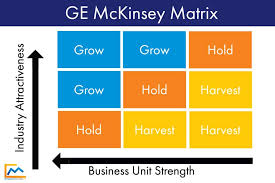
The GE/McKinsey matrix is a classic strategy framework … gone bad. Initially thought to be a radical innovation, it guided flawed corporate diversification strategies of the 1980s. Indeed, it is still sometimes taught in business schools, and some consultants still sell this analysis as a service. My first intuition is to ignore it in class. Indeed, I’ve not discussed this framework in class since posting a collection of exercises from the late 1990s here where the data reflected the Sears Financial Network.
However, showing the framework’s flaws can help students to see what they should be looking for when analyzing diversification strategies. Brian Silverman suggested that we update the exercise so students would evaluate a disguised version of Disney’s portfolio using the tool. Without context, the studio and video game divisions appear to be “dogs” to be divested, and the theme parks seem to be stars. The relationship between the units is opaque. Once the company and divisions are revealed, it becomes apparent that the links between businesses are absolutely critical. Of course, the theme parks are especially valuable because they can leverage creative output from the studios.
Since my class is partially online, I created this Google sheet to facilitate the exercise that will accommodate up to 12 student teams. It would also prove useful in a large in-person class. Here’s how it works:
Continue reading
 This cooking competition show begins with an auction of resources needed to cook including space to work and cooking utensils. The contestants bid to preempt rivals by obtaining access to key resources while saddling them with inferior resources. This is ultimately quite similar to the
  Entry barriers are a critical element of Porter’s five forces framework. A key question is how firms get around the barriers. While the framework is at the industry level, a central part of the discussion is how the entry barriers might differ for different potential entrants. Some will have complementary resources or capabilities that make entry much easier. If a firm is considering entering a new industry, they want high entry barriers for all firms — except them. This sometimes sounds too good to be true until you discuss critical differences in resources and capabilities. This (admittedly silly) Doritos commercial from Superbowl 50 illustrates entry barriers and how some creative dogs get around them…
 Carpenter Strategy Toolbox