
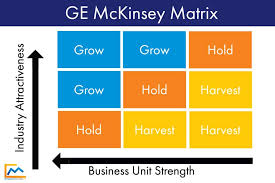
The GE/McKinsey matrix is a classic strategy framework … gone bad. Initially thought to be a radical innovation, it guided flawed corporate diversification strategies of the 1980s. Indeed, it is still sometimes taught in business schools, and some consultants still sell this analysis as a service. My first intuition is to ignore it in class. Indeed, I’ve not discussed this framework in class since posting a collection of exercises from the late 1990s here where the data reflected the Sears Financial Network.
However, showing the framework’s flaws can help students to see what they should be looking for when analyzing diversification strategies. Brian Silverman suggested that we update the exercise so students would evaluate a disguised version of Disney’s portfolio using the tool. Without context, the studio and video game divisions appear to be “dogs” to be divested, and the theme parks seem to be stars. The relationship between the units is opaque. Once the company and divisions are revealed, it becomes apparent that the links between businesses are absolutely critical. Of course, the theme parks are especially valuable because they can leverage creative output from the studios.
Since my class is partially online, I created this Google sheet to facilitate the exercise that will accommodate up to 12 student teams. It would also prove useful in a large in-person class. Here’s how it works:
Continue reading The
The  How can we make online courses more interactive? Often people create videos of their PPT lectures as the basis of an online course. We know we can do better. It turns out that negotiation exercises can work surprisingly well online. My
  Firms often make errors in selecting governance forms and the scope of the firm. This is one common reason firms must undergo painful periodic restructuring programs. If only managers could frame these problems more effectively and identify the key factors to make more informed decisions — in short, a primer on Transaction Cost Economics (TCE). Brian Silverman provides just that tool in a
 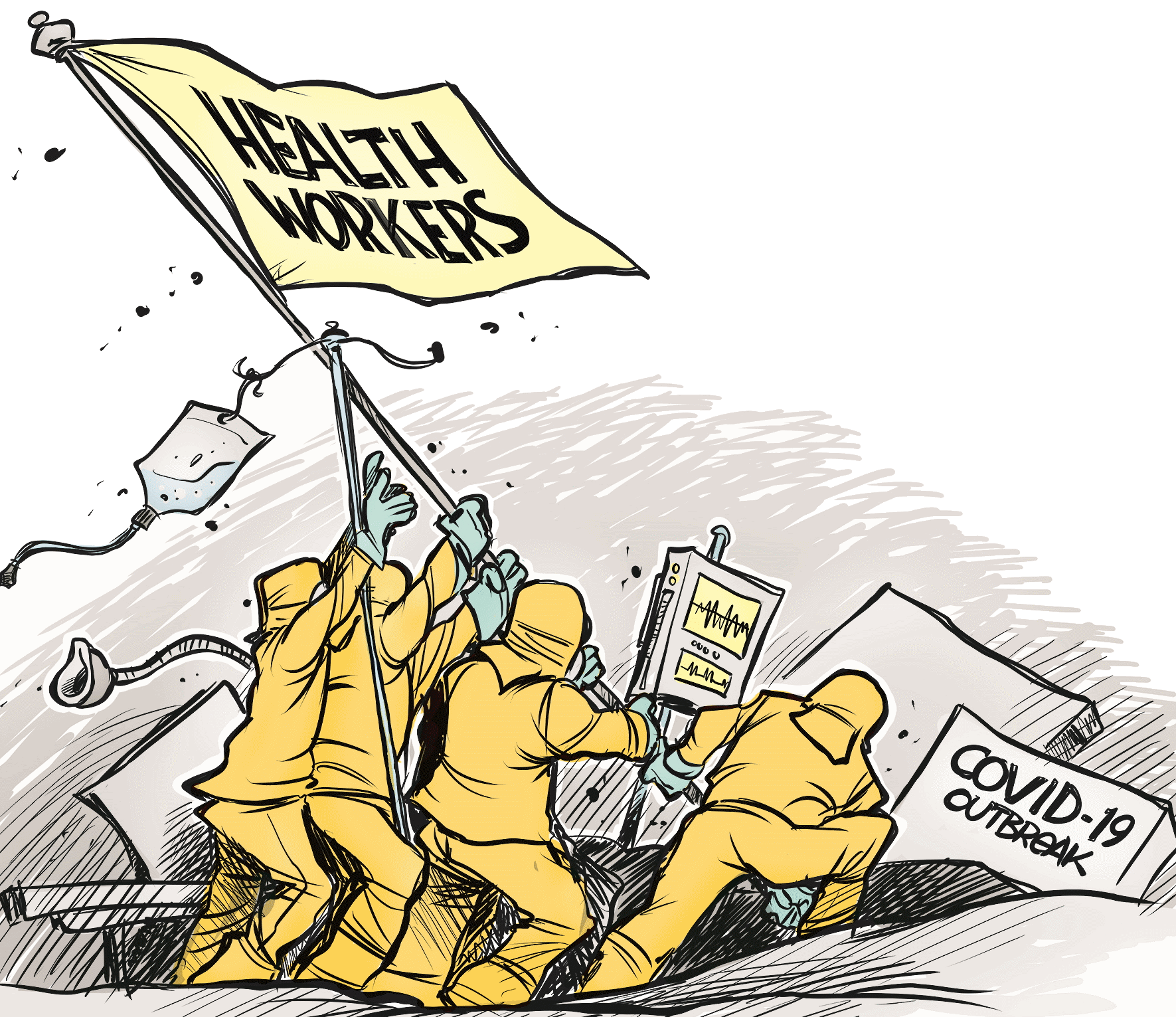 I have taught during numerous crises (various wars, 911, 2008 crash, etc.) and always regretted missing opportunities to bring the events into the classroom. So how can we encourage our students to think strategically about the COVID crisis? Here are a few ideas for discussion or team projects (but
 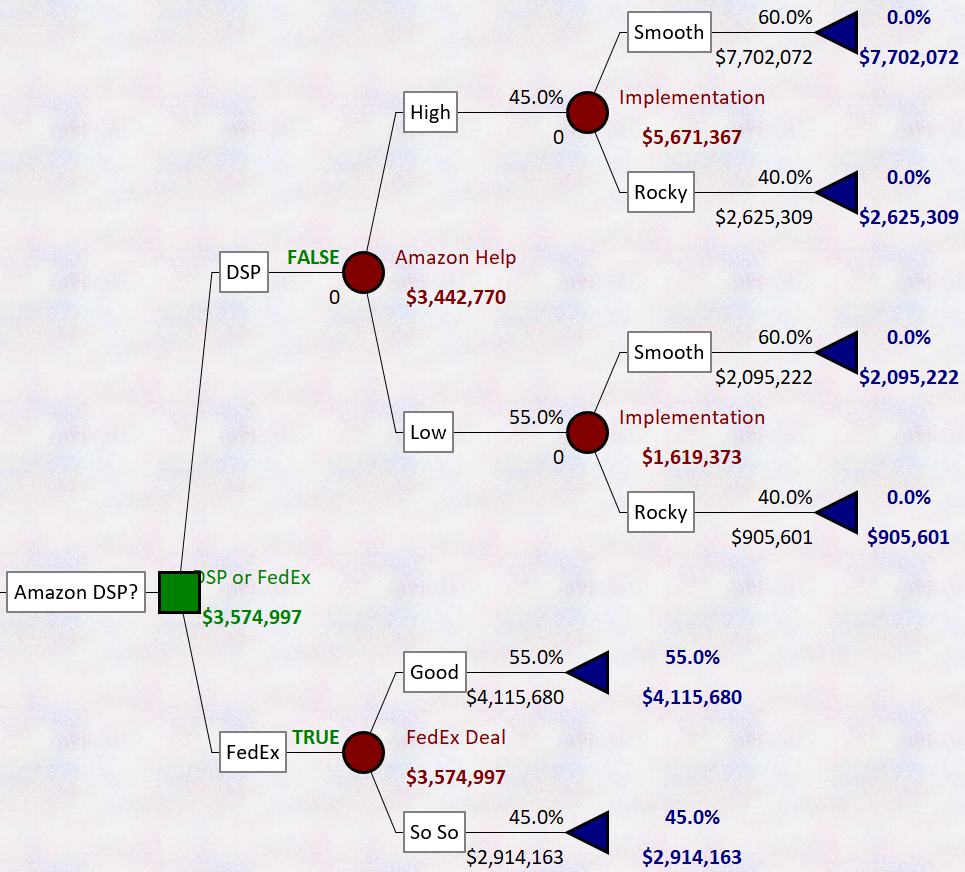 Amazon is encouraging employee spinouts. They are offering employees $10,000 plus 3 months salary to quit and form entrepreneurial ventures in their
  As Netflix’s strategy unfolds it becomes clearer the extent to which it threatens traditional media companies. Initially, Netflix was a welcome partner who paid for access to older entertainment assets – new income streams for studios. More recently they have developed new content and lure top talent away from traditional media companies. Now, by offering a compelling portfolio of options, they compete more directly against traditional media companies. AT&T, Comcast, Fox, and Disney have taken notice of Netflix’s increasingly vertically integrated business model that bypasses traditional distributors (cable, DSL, satellite) and doesn’t rely on advertising revenue.
  It’s been a red letter week in terms of the
  The term “core competence” has taken hold in the business world. Not many academic terms break through to common usage so this might be viewed as a tremendous success. Unfortunately, it isn’t clear that it is particularly useful with the modified practitioner definition. As it is commonly used, it seems to mean “stuff the firm is pretty good at.” Unlike
  With its $13.7B bid, Amazon agreed to pay a 27% premium over Whole Foods’ previous market valuation. This makes for a nice live case case in your strategy classroom. Was this a sound business decision? The market rewarded Amazon with an increase in its stock price. While some opportunities are apparent, it remains unclear exactly how Whole Foods will be worth 27% more to Amazon (and that’s just to break even). A five forces analysis will reveal that the grocery market is highly competitive with exceptionally thin margins — not an especially attractive industry to enter. So how can they win in this game? There are many possibilities that may come up in a discussion. For example, Amazon may:
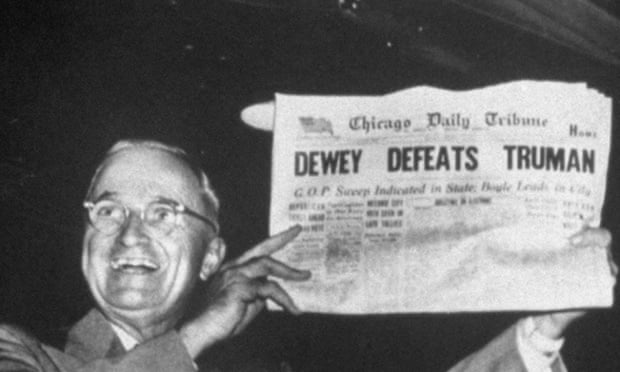 This isn’t the first time polls have been wrong. The election of Donald Trump was a shock to many college students (as well as the press) and this may warrant some class time. Some instructors responded by
  Why isn’t the BCG matrix dead as a framework? I still consistently find that my students have been exposed to it (generally in Marketing). They don’t even understand that it is a framework for internal capital markets (where firms add value by serving as a source of funding) or that it is hopelessly flawed. It’s a dog, divest right away. If the sale generates cash, funnel it to any other management framework (even SWOT) and I’m sure it will create value.
 The augmented reality (AR) game,
  Mattel just lost to Hasbro on producing Disney princess dolls — a $500M a year business. This brings to an end a 60+ year strategic alliance.
  Between the Football games, you may have seen that ESPN is losing subscribers in droves (
 Lego profits have more than doubled in the last five years. The company has sold non-core businesses and doubled down on the core building block products. They are the undisputed king of building toys. A

 Carpenter Strategy Toolbox