

An earlier post has all the materials for the Tinkertoy tower building exercise and it was published by Coff & Hatfield (2003) in JSME (Full text here). This variant of the exercise is especially valuable for teaching entrepreneurship as it focuses on the need to pivot from an initial plan/idea. Recent work (Kirtley & O’Mahoney, 2020) demonstrates how difficult the decision to pivot can be but this may be hard to fully convey to students without their experience of struggling to recognize the need to pivot. The modification is simple. During the 10-minute planning period, teams should:
- Develop an initial plan/design for their tower.
- Anticipate what might go wrong with their initial plan (as with the scenario planning variant).
- Develop an alternative plan or adjustment that addresses the concern.
- How would they know that there is a need to change the plan.
- When would they know (how many seconds into the implementation period).
As with all Tinkertoy variants, many of the towers will fall at the very end and the teams will have missed their opportunities to adapt. Here, the debrief focuses on how they would design a test to identify what would go wrong (as in lean startup). For example, I have used Builderific toys instead of Tinkertoys which are quite flimsy. A good test would be to attach 3 pieces together and hold them out. It will be quickly apparent that the pieces bend and that the tower may not be stable. This can be determined in 20 seconds if they think to do it. The issue is that teams do not think carefully about how they would test their hypotheses even when they are prompted that something might go wrong. This clearly drives home the value of testing assumptions as well as the challenges of knowing when one needs to pivot from their original plan. Here are Coff’s slides as well as Coff’s spreadsheet which will help you administer the exercise more efficiently.
Contributed by Russ Coff
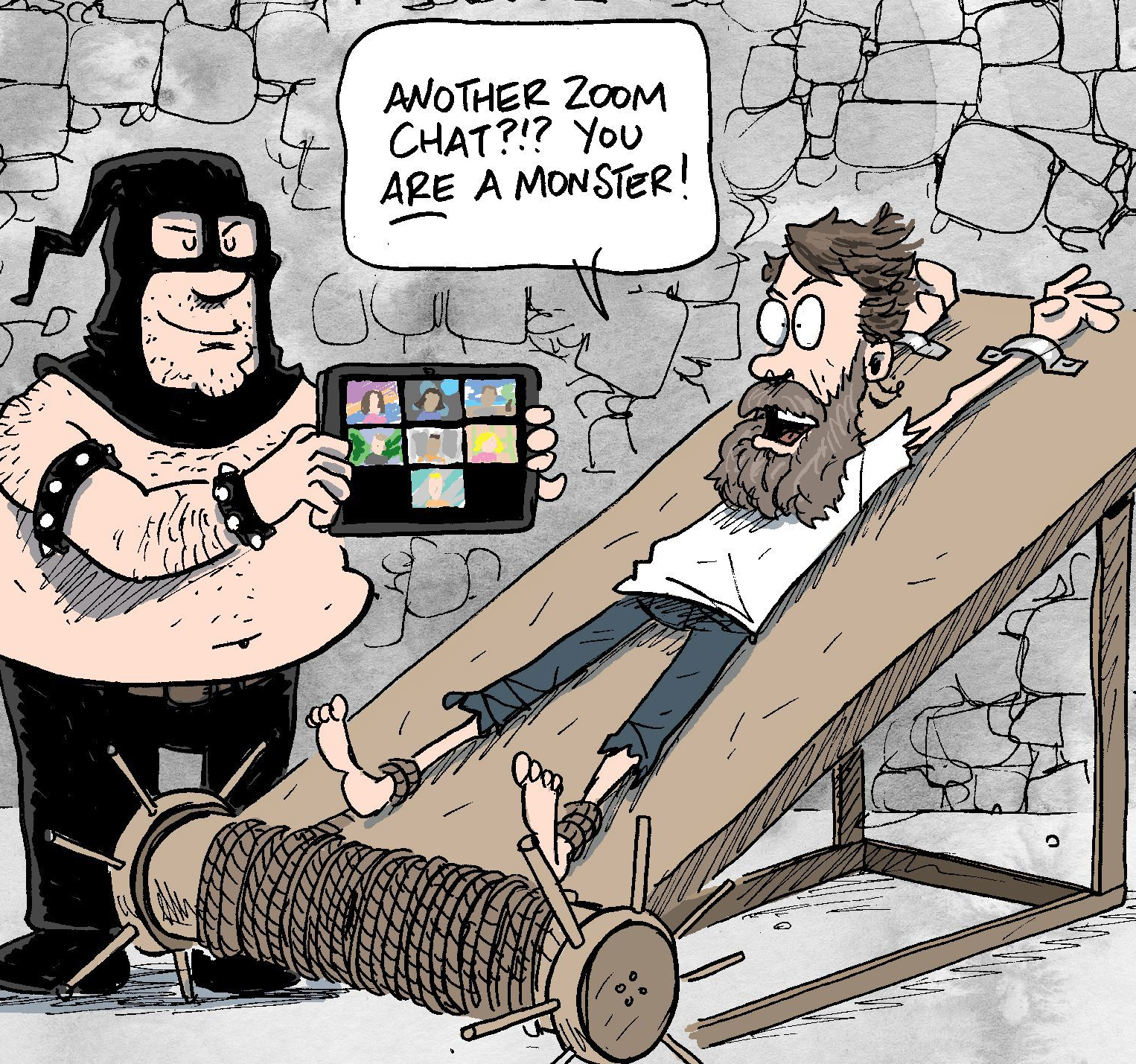 The
The  I like to start the semester with a “ripped from the headlines” case. This is especially helpful if some of one’s cases are older. This semester, Zoom is a great alternative. The current
  Much of the news focuses on how hard businesses have been hit by the pandemic. However, strategy is about finding opportunities and adapting in a dynamic environment. Let’s not forget to focus on inspirational examples along these lines. Send students on a scavenger hunt (like the
 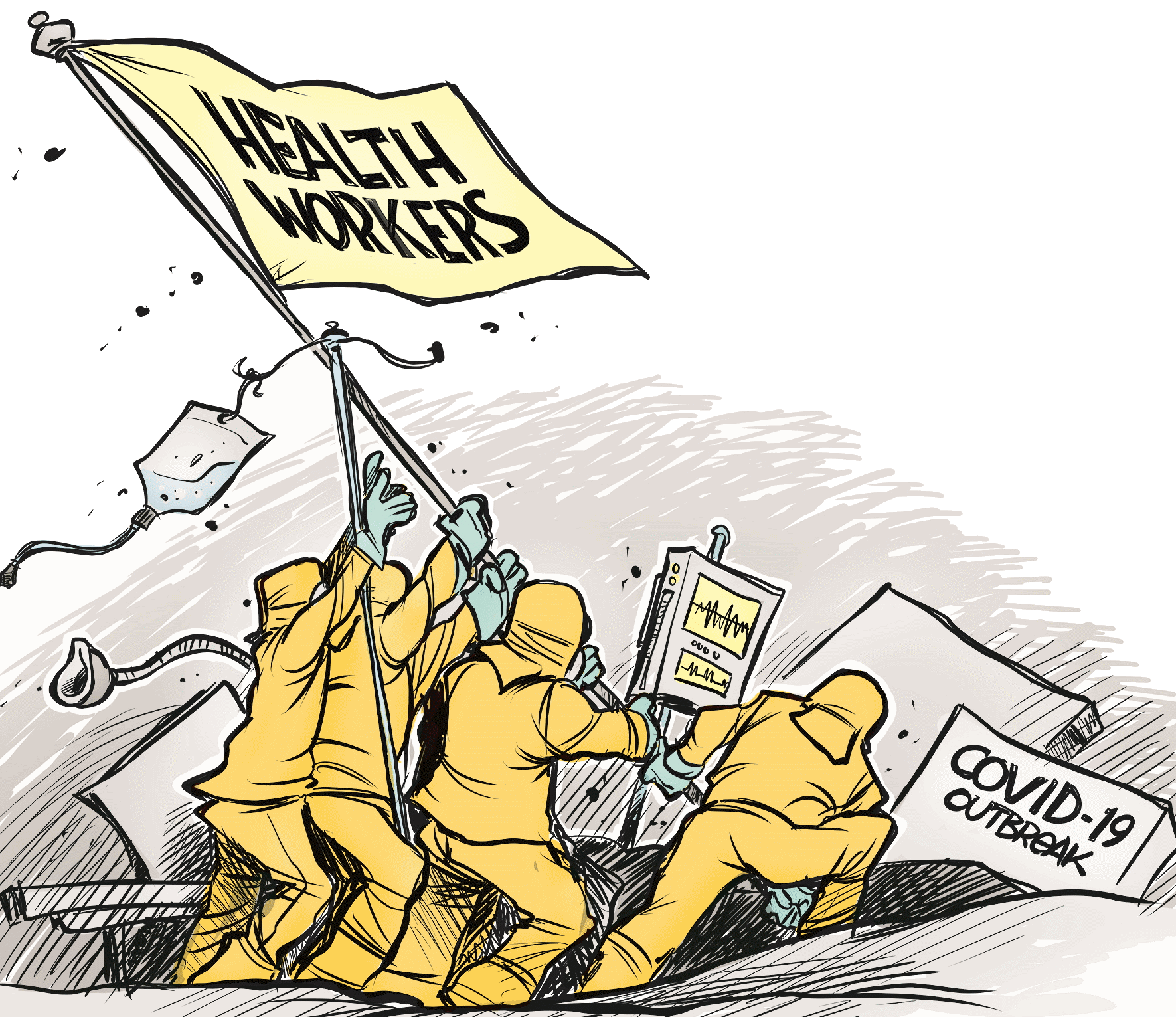 I have taught during numerous crises (various wars, 911, 2008 crash, etc.) and always regretted missing opportunities to bring the events into the classroom. So how can we encourage our students to think strategically about the COVID crisis? Here are a few ideas for discussion or team projects (but
 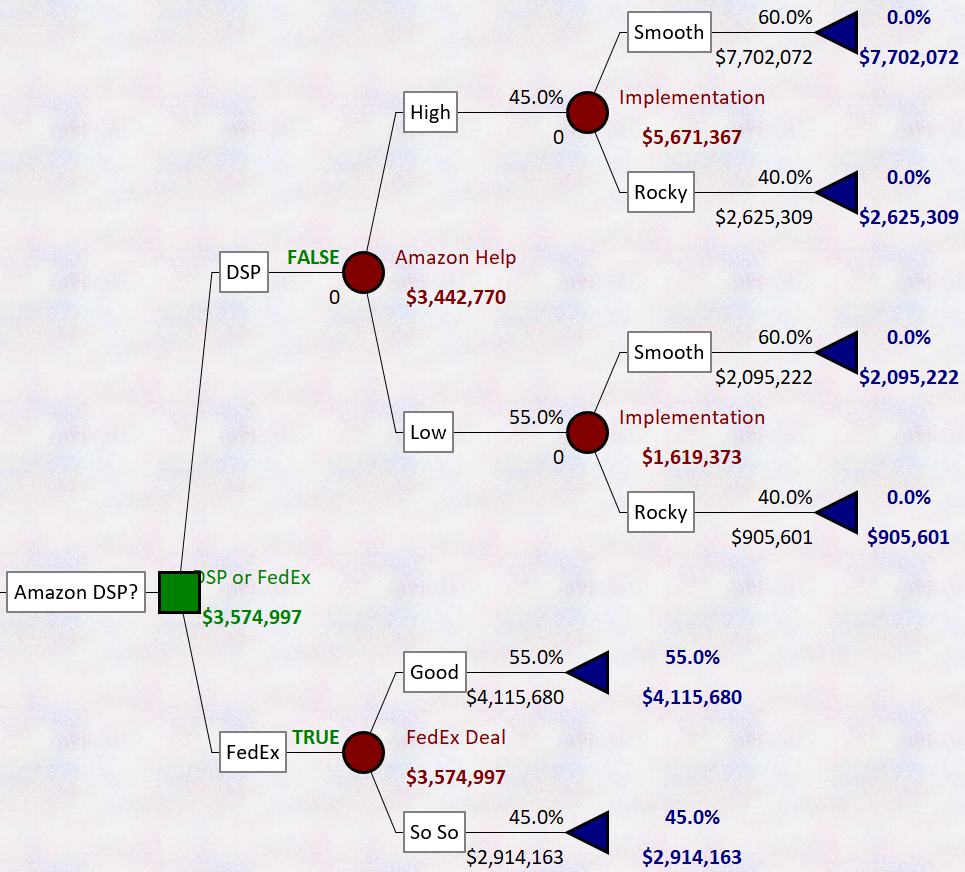 Amazon is encouraging employee spinouts. They are offering employees $10,000 plus 3 months salary to quit and form entrepreneurial ventures in their
  Entrepreneurship students often think they’ve found a “no brainer” idea – one that everyone “obviously” will want. We’ve all seen it before – an idea that is so good that it requires zero dollars for customer acquisition because word of mouth and social media will lead to infinite sales, virtually overnight.
 Strategies rarely work out as planned but somehow, students remain eternally hopeful that everything will go exactly as they expect. This experiential exercise allows students to “feel”
 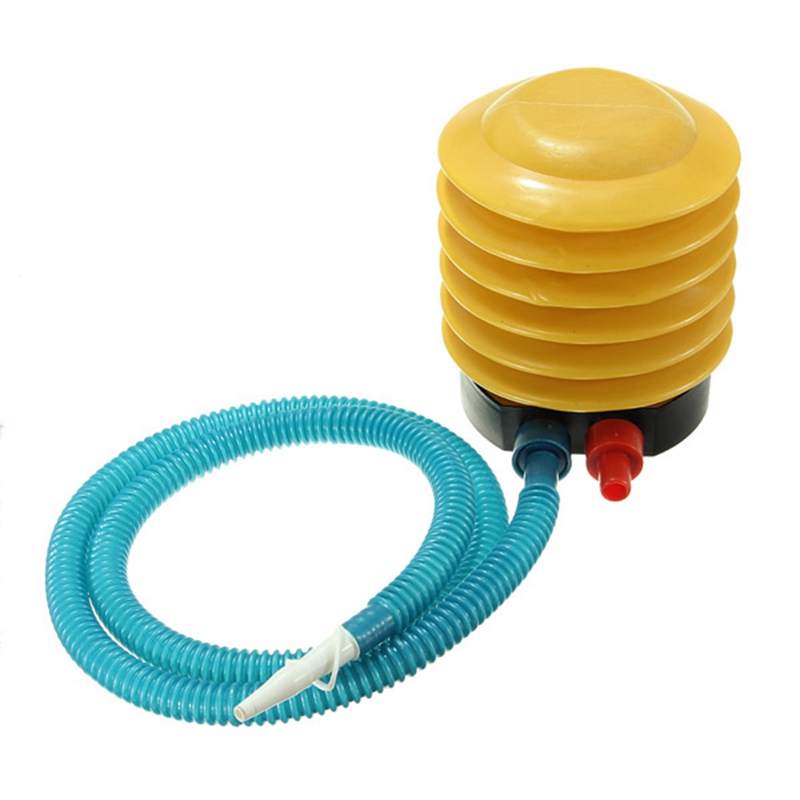 Inflate ball & sit on it. Ask 2 volunteers to inflate a heavy duty inflatable ball using a small air pump (one can buy these a sport store) and try to sit on it afterwards for a minute. While introducing the exercise, the instructor should keep the plug hidden in her/his pocket. Inflating the ball is amusing (both the volunteers and the audience). It is not easy or quick to inflate the ball.
 takes the plug out admitting that she/he had it all the time. The class will laugh. It may be frustrating for the volunteers but then we begin the debrief and explain the reason for the deception in the exercise.
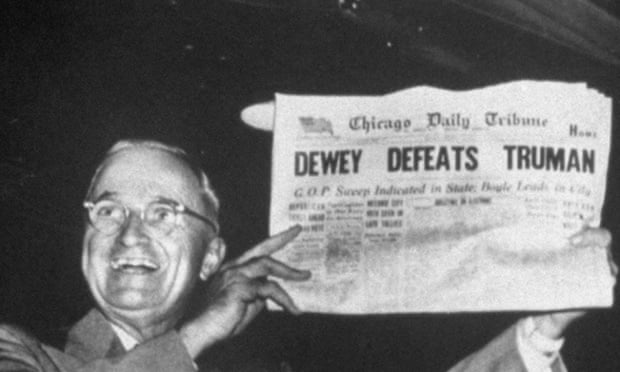 This isn’t the first time polls have been wrong. The election of Donald Trump was a shock to many college students (as well as the press) and this may warrant some class time. Some instructors responded by
  The augmented reality (AR) game,
  Successful strategy is often a combination of luck firm specific skills and favorable conditions. AmorePacfic makes a great ripped-from-the-headlines case since it rose to be the #1 South Korean firm buoyed by a growing and large domestic demand from a growing population. Hallyu – the Korean equivalent of Hollywood was also a driving factor as South Koreans want to look like their favorite stars and use the same cosmetic products and that includes men. In fact, it is estimated that a whopping 20% of South Korean men use cosmetic products on a regular basis. AmorPacific capitalized on this growing trend by building up its brand and investing in R&D and ultimately riding the popularity of K-pop and K-movies to expand internationally. At a time that demand is softening, K-cosmetics are still growing with exports increasingly exceeding imports and Korean cosmetics brands now more popular than European brands in China and increasing their penetration in many countries including China, Hong Kong, Japan, the US, Vietnam, and in a surprising list of other countries such as Poland where their addition to Sephora’s product line and other large retailers will ensure broad distribution. How has a $150 1.7 oz managed to gain global popularity? Some materials for the case might include:
 Here is a simple exercise to demonstrate competitive advantage on the first day of class. Hold up a crisp $20 bill and ask “Who wants this?” When people look puzzled, ask, “I mean, who really wants this?” and then “Does anyone want this?” Continue this way (repeating this in different ways) until someone actually gets up, walks over, and takes the $20 from your hand. Then the discussion focuses on why this particular person got the money. How did their motivation differ? Did they have different information or perception of the opportunity? Did they have a positional advantage based on where they were sitting? Other personal attributes (e.g., entrepreneurial)? The main question, then, is why do some people/firms perform better than others? This simple exercise gets at the nexus of perceived opportunity, position, resources, and other factors that operate both at the individual and firm level. Note that instructors should tell the class not to share this with other students. However, if you do have a student who has heard about the exercise (and grabs the money), asymmetric information about an opportunity is certainly one aspect of the discussion. The following “
 Carpenter Strategy Toolbox