

An earlier post has all the materials for the Tinkertoy tower building exercise and it was published by Coff & Hatfield (2003) in JSME (Full text here). This variant of the exercise is especially valuable for teaching entrepreneurship as it focuses on the need to pivot from an initial plan/idea. Recent work (Kirtley & O’Mahoney, 2020) demonstrates how difficult the decision to pivot can be but this may be hard to fully convey to students without their experience of struggling to recognize the need to pivot. The modification is simple. During the 10-minute planning period, teams should:
- Develop an initial plan/design for their tower.
- Anticipate what might go wrong with their initial plan (as with the scenario planning variant).
- Develop an alternative plan or adjustment that addresses the concern.
- How would they know that there is a need to change the plan.
- When would they know (how many seconds into the implementation period).
As with all Tinkertoy variants, many of the towers will fall at the very end and the teams will have missed their opportunities to adapt. Here, the debrief focuses on how they would design a test to identify what would go wrong (as in lean startup). For example, I have used Builderific toys instead of Tinkertoys which are quite flimsy. A good test would be to attach 3 pieces together and hold them out. It will be quickly apparent that the pieces bend and that the tower may not be stable. This can be determined in 20 seconds if they think to do it. The issue is that teams do not think carefully about how they would test their hypotheses even when they are prompted that something might go wrong. This clearly drives home the value of testing assumptions as well as the challenges of knowing when one needs to pivot from their original plan. Here are Coff’s slides as well as Coff’s spreadsheet which will help you administer the exercise more efficiently.
Contributed by Russ Coff


 The
The  I like to start the semester with a “ripped from the headlines” case. This is especially helpful if some of one’s cases are older. This semester, Zoom is a great alternative. The current
  Firms often make errors in selecting governance forms and the scope of the firm. This is one common reason firms must undergo painful periodic restructuring programs. If only managers could frame these problems more effectively and identify the key factors to make more informed decisions — in short, a primer on Transaction Cost Economics (TCE). Brian Silverman provides just that tool in a
  Much of the news focuses on how hard businesses have been hit by the pandemic. However, strategy is about finding opportunities and adapting in a dynamic environment. Let’s not forget to focus on inspirational examples along these lines. Send students on a scavenger hunt (like the
 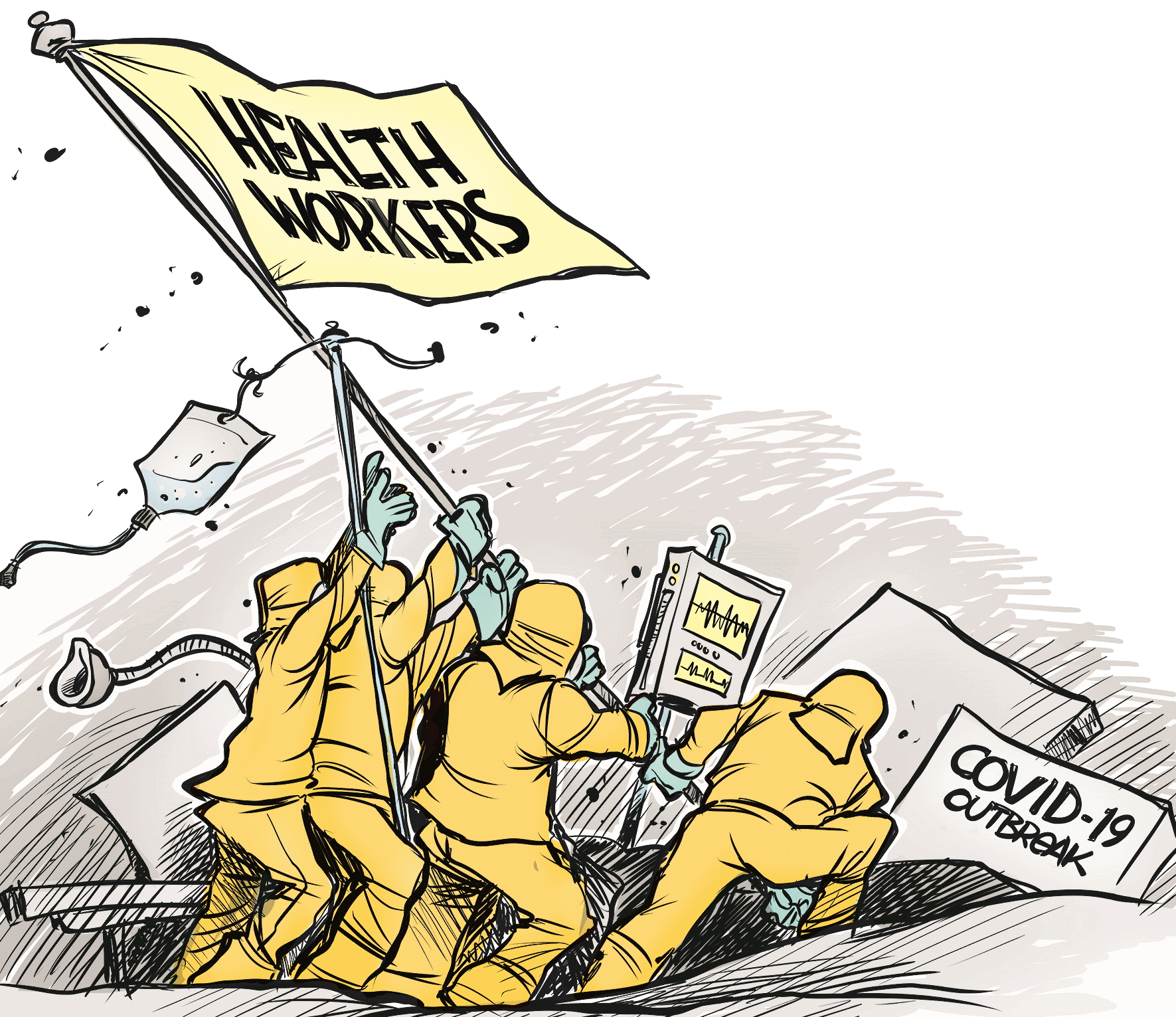 I have taught during numerous crises (various wars, 911, 2008 crash, etc.) and always regretted missing opportunities to bring the events into the classroom. So how can we encourage our students to think strategically about the COVID crisis? Here are a few ideas for discussion or team projects (but
 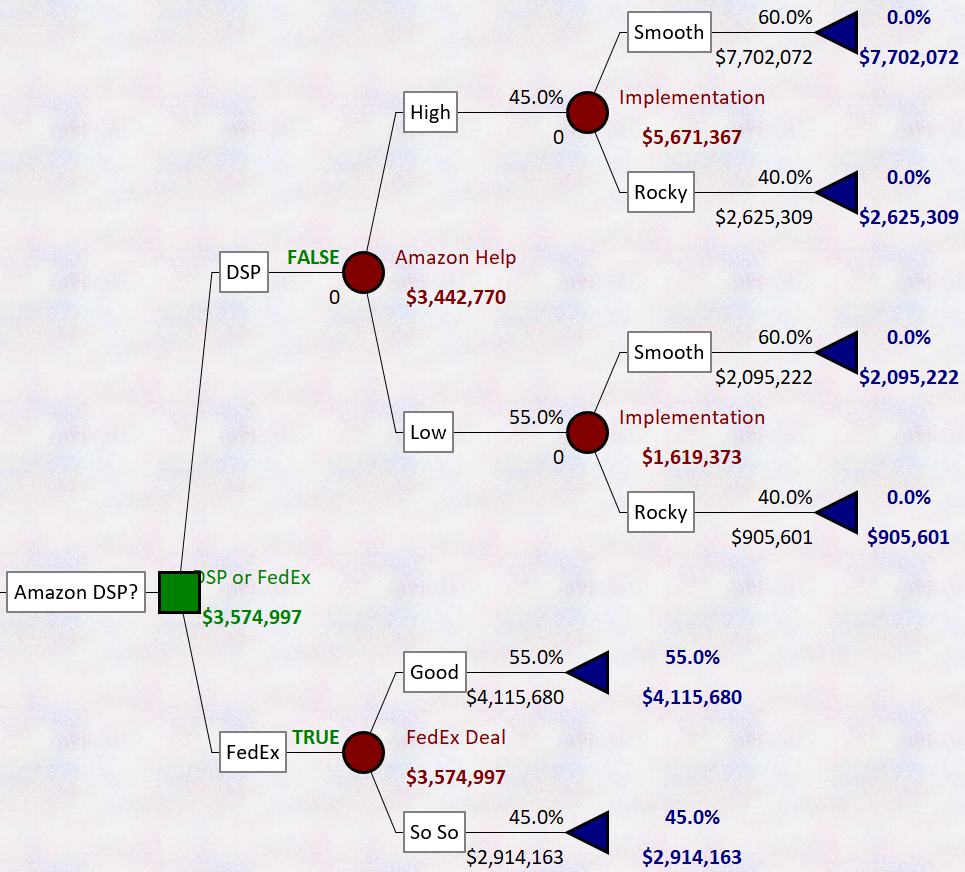 Amazon is encouraging employee spinouts. They are offering employees $10,000 plus 3 months salary to quit and form entrepreneurial ventures in their
 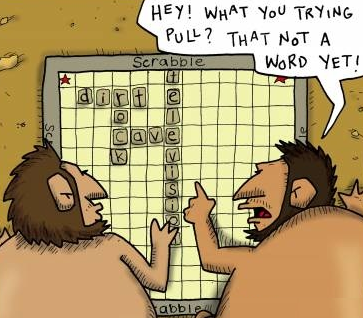 The Alphabet Soup
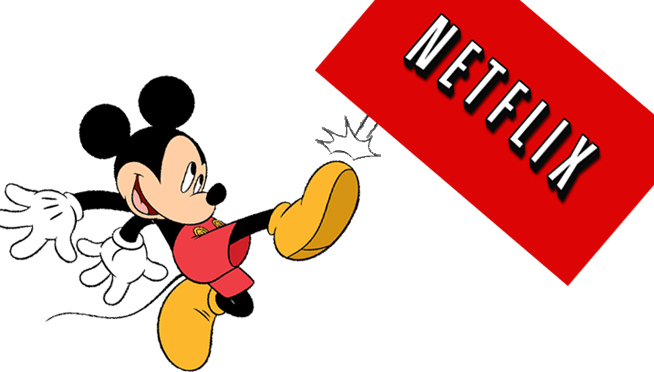 As Netflix’s strategy unfolds it becomes clearer the extent to which it threatens traditional media companies. Initially, Netflix was a welcome partner who paid for access to older entertainment assets – new income streams for studios. More recently they have developed new content and lure top talent away from traditional media companies. Now, by offering a compelling portfolio of options, they compete more directly against traditional media companies. AT&T, Comcast, Fox, and Disney have taken notice of Netflix’s increasingly vertically integrated business model that bypasses traditional distributors (cable, DSL, satellite) and doesn’t rely on advertising revenue.
  Some fear that eventually and robots will be
  Entrepreneurship students often think they’ve found a “no brainer” idea – one that everyone “obviously” will want. We’ve all seen it before – an idea that is so good that it requires zero dollars for customer acquisition because word of mouth and social media will lead to infinite sales, virtually overnight.
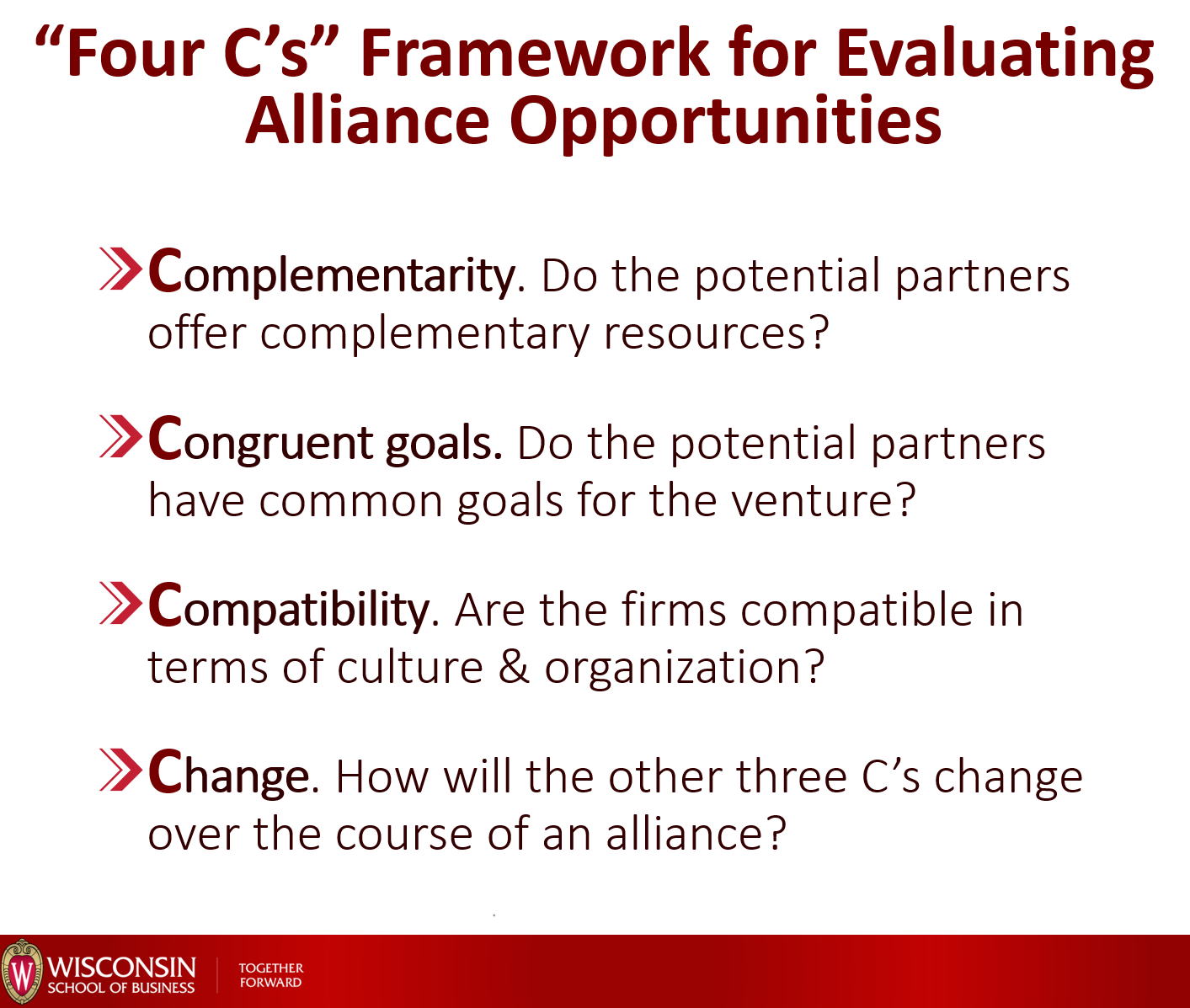 Strategic Alliances don’t make the news the way M&A do so some may struggle for examples. It is especially helpful to make students aware that, while Alliances may be less risky than M&A, there are still risks that need to be analyzed. Tom Petty provided a useful example to apply the
  With its $13.7B bid, Amazon agreed to pay a 27% premium over Whole Foods’ previous market valuation. This makes for a nice live case case in your strategy classroom. Was this a sound business decision? The market rewarded Amazon with an increase in its stock price. While some opportunities are apparent, it remains unclear exactly how Whole Foods will be worth 27% more to Amazon (and that’s just to break even). A five forces analysis will reveal that the grocery market is highly competitive with exceptionally thin margins — not an especially attractive industry to enter. So how can they win in this game? There are many possibilities that may come up in a discussion. For example, Amazon may:
 Strategies rarely work out as planned but somehow, students remain eternally hopeful that everything will go exactly as they expect. This experiential exercise allows students to “feel”
  Inflate ball & sit on it. Ask 2 volunteers to inflate a heavy duty inflatable ball using a small air pump (one can buy these a sport store) and try to sit on it afterwards for a minute. While introducing the exercise, the instructor should keep the plug hidden in her/his pocket. Inflating the ball is amusing (both the volunteers and the audience). It is not easy or quick to inflate the ball.
 takes the plug out admitting that she/he had it all the time. The class will laugh. It may be frustrating for the volunteers but then we begin the debrief and explain the reason for the deception in the exercise.
 This is another in our series of explorations in
  Carpenter Strategy Toolbox